
The cajon, with its deceptively simple design, offers an accessible yet expressive entry into the world of percussion. It’s an instrument that's both easy to start learning and endlessly challenging to master. While it may appear to be just a wooden box, the cajon is a versatile instrument capable of producing a wide range of sounds and rhythms. This comprehensive guide will help beginners develop their playing techniques and establish a solid foundation for future growth.
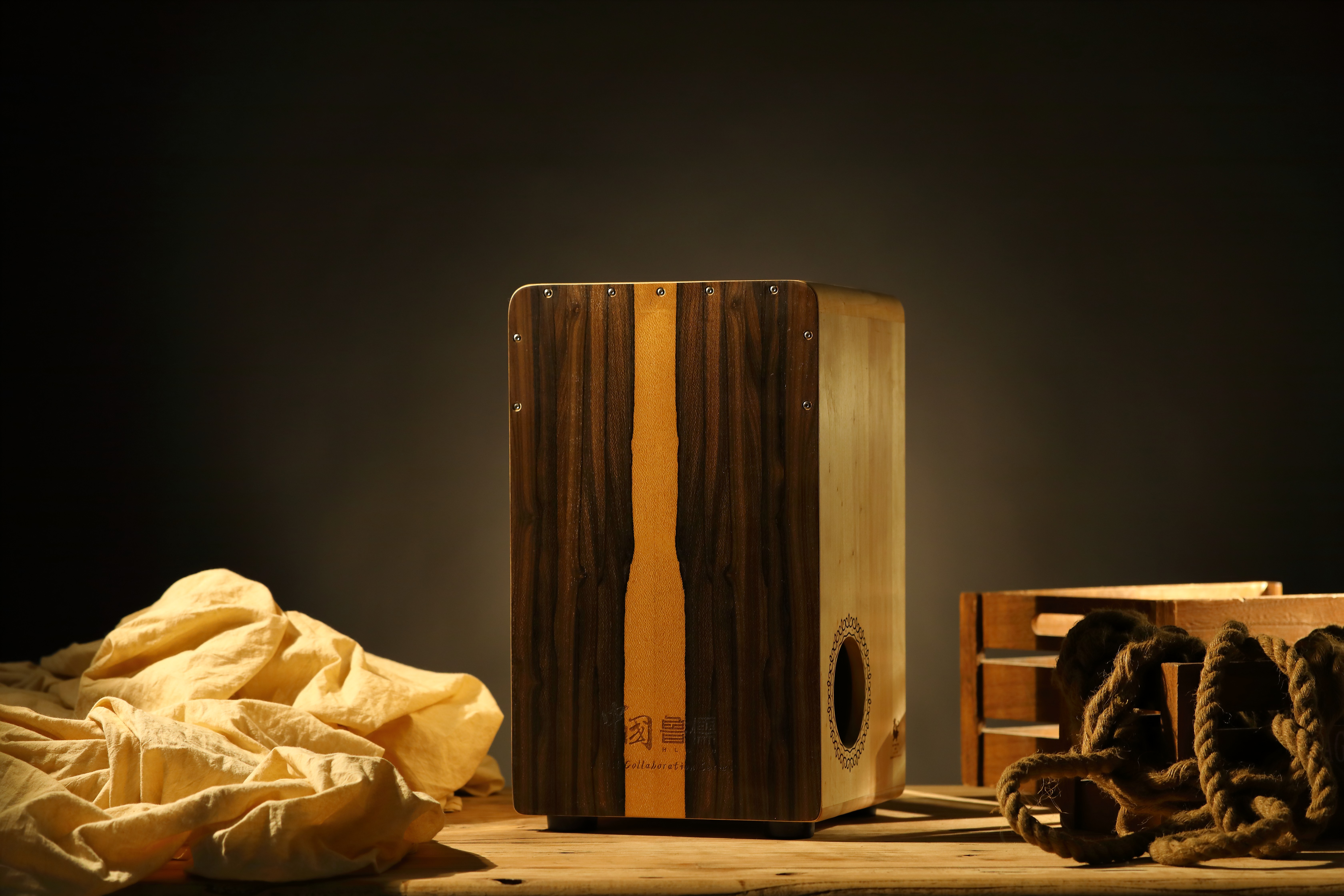
Before diving into playing, it’s essential to understand the cajon's basic structure. The cajon is typically a box-shaped instrument made of wood, with a thin front panel called the tapa. The main body acts as a resonating chamber, and the back has a sound hole. Additionally, many modern cajons include snare wires on the inside of the tapa.
The cajon produces sound by striking the tapa. Different sounds are created by striking different areas of the tapa, using different hand positions, and with varying degrees of force. In this article, we’ll focus on three core tones: Bass, Tone, and Tap/Slap.

Mastering fundamental techniques is key to playing the cajon effectively. Let's explore three core tones, along with exercises:
The bass tone is the foundation of most cajon rhythms. It provides the low-end frequency that anchors your beats.
Hand Position: Form a relaxed fist, ensuring the entire palm is available to contact the surface.
Striking Point: Strike the center of the tapa with your full palm.
Technique: Strike with a firm, solid motion using your entire arm, but keep your hand and arm muscles relaxed.
Why this is important: A good bass tone requires proper hand positioning and striking technique. Using your whole arm will help you produce the best resonance.
The tone provides a high-pitched, percussive accent that adds definition and color to your rhythms.
Hand Position: Use your fingertips while maintaining a relaxed hand position.
Striking Point: Strike the top edge of the tapa with your fingertips.
Technique: Strike with a firm, controlled motion using your fingers and wrist.
Why this is important: Using the fingertips and top edge is essential to produce a clean, percussive tone.
The tap/slap is a versatile technique used for light accents and complex rhythms. It adds a percussive sharpness to your playing.
Hand Position: Relax your wrist and hand.
Striking Point: Strike different locations on the upper half of the tapa.
Technique: Use a quick, fluid motion to contact the tapa lightly.
Why this is important: A relaxed wrist will allow you to play for a longer period of time, and help prevent injury.
Learn essential rhythms to start playing simple beats right away:
Playing with dynamics will greatly enhance the expressiveness of your playing. Consider velocity, technique, and body position for greater nuance.
As you develop your skills, experiment with different techniques, listen to other players, and use a metronome to refine your timing.
Once you’ve mastered the basics, explore finger rolls, heel-toe techniques, and ghost notes for more complexity.
Consistency, setting goals, and listening back to your practice sessions will help you improve efficiently.
Learning the cajon is a rewarding journey. Continue experimenting and practicing to develop your unique style and sound.


